Programs & Support
Expedition Formats Built Around Your Experience Level
Introductory Cavern & Karst Walks
Ideal for newcomers, these outings stay within wide, naturally lit chambers and simple, well-marked lines, focusing on buoyancy, breathing rhythm, and basic guideline habits. Dry karst walks complement the diving program, guiding visitors through decorated tunnels and open galleries while explaining formation processes and conservation practices along the way. The relaxed pacing suits travelers curious about underground environments who want a structured, low-risk first exposure to cave exploration under expert supervision.
Advanced Multi-Stage Technical Dives
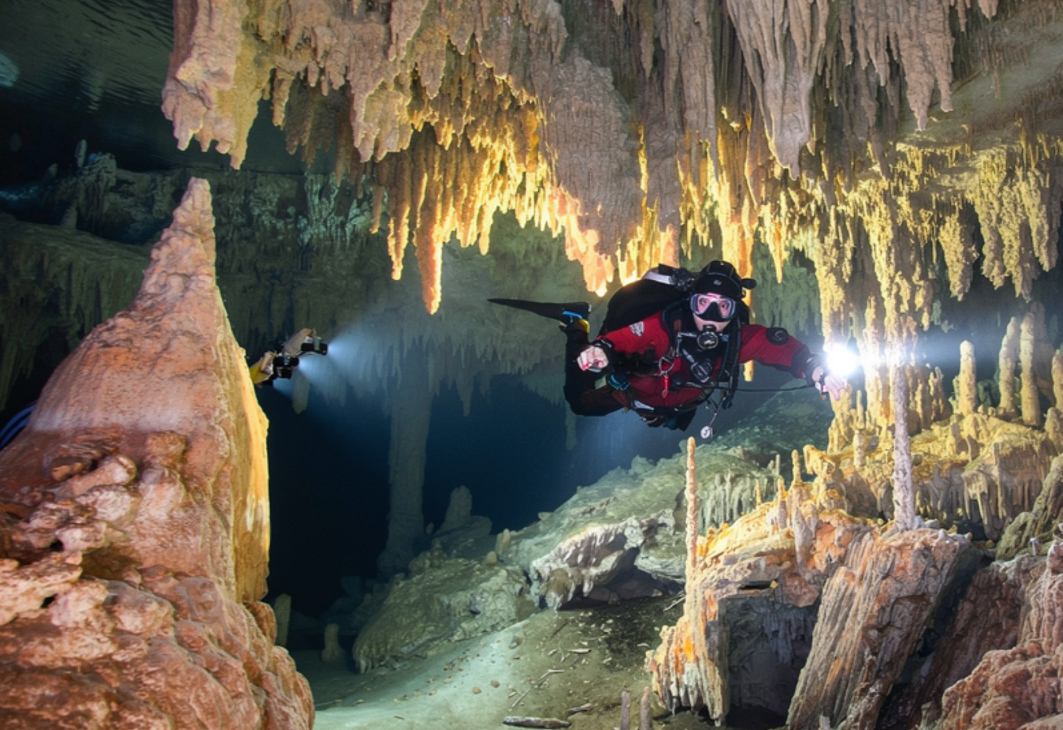
Certified technical divers can request deep penetration routes involving stage bottles, sidemount rigs, and complex junction navigation across multiple chambers. Pre-dive planning covers detailed line diagrams, bailout routes, and gas contingency calculations, while in-water execution emphasizes disciplined spacing and constant situational monitoring. Structured debriefs after each dive analyze decisions, timing, and gas consumption, giving experienced divers concrete feedback to progress toward even more demanding future expeditions.
After-Hours Speleo Immersion Tours
Scheduled after regular visiting hours, these tours use focused headlamp beams to highlight textures and shapes typically lost under standard lighting, amplifying the sound of dripping water and shifting air currents throughout the passages. Groups remain small and move at a deliberate pace, giving each participant time to absorb the atmosphere of near-total darkness. Strict spacing and conservation protocols protect delicate formations, keeping the experience immersive without compromising the integrity of the cave environment.
Technical Gear Rental & Configuration
Well-maintained cave-ready equipment is available for rent, including redundant lighting, harness systems, regulators, and cylinders configured for overhead environments. Staff assist with adapting personal gear to cave-appropriate setups, reviewing hose routing, backup placement, and streamlining to reduce entanglement risk. Every rental item undergoes a documented pre-trip inspection alongside the diver, minimizing equipment surprises once inside the cave and allowing full attention to remain on navigation and safety.
Skill-Building Workshops for Divers
Focused sessions target specific competencies such as precision trim control, silt-avoidance propulsion techniques, and guideline recovery drills under simulated stress. Instruction blends brief theory segments with repeated hands-on practice, reinforcing muscle memory for tasks that must become automatic underground. Non-diving modules on karst hydrology, cave mapping fundamentals, and conservation ethics are also available, appealing to visitors who want deeper technical knowledge without necessarily entering the water themselves.
End-to-End Trip Coordination
Support extends from initial inquiry through post-trip follow-up, covering transport suggestions, accommodation tips, and scheduling aligned with cave access windows and seasonal conditions. Pre-arrival documents summarize required certifications, recommended fitness preparation, and packing guidance tailored to the chosen program. After each expedition, guests can request performance notes and suggestions for future training paths, keeping communication open for anyone planning a return visit or progressing toward more advanced cave diving goals.