Why Divers Choose Us
Six Reasons These Expeditions Stand Apart
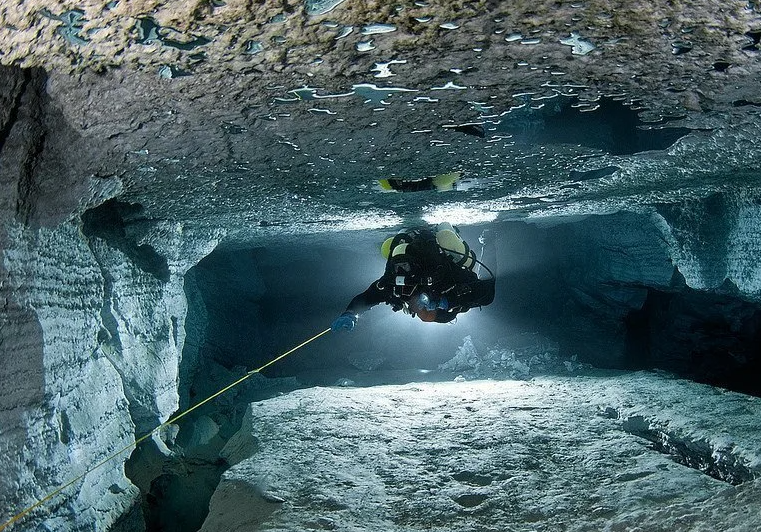
Meticulously Mapped Route Planning
Every circuit is broken into segments with documented depth profiles, flow behavior, and restriction points, so instructors can brief divers on exactly what to expect before entering the water. Gas planning follows conservative reserve rules with built-in contingency stages, and each route includes clearly defined turnaround criteria. This structure removes guesswork from complex overhead navigation, letting divers concentrate on trim, buoyancy, and situational awareness rather than improvised decision-making mid-penetration. Detailed post-trip notes refine these maps continuously, keeping route information current across changing seasonal conditions.
Instructors With Deep Regional Expertise
Guides combine backgrounds in technical diving, cave rescue, and geology, giving them a rare ability to anticipate how a passage will behave under different flow and visibility conditions. They teach clear, minimal-signal communication systems that remain effective in tight or silt-prone sections, and they emphasize composure over speed at every stage. Training sessions before each dive cover team positioning, backup light protocols, and shared responsibility for monitoring gas and time, ensuring that every participant understands their role within the group before descending.
Redundant Safety Systems Throughout
Backup lighting, spare regulators, redundant gas supplies, and rehearsed emergency protocols are non-negotiable standards on every trip. Conservative depth and time limits are set well within recognized safety margins, and dive plans always include clearly defined bailout options. Surface teams track schedules and maintain communication windows, ready to respond if a group runs behind plan. This layered approach to risk management reflects an understanding that overhead environments punish shortcuts, so none are taken regardless of a diver's prior experience level.
Programs Scaled to Every Skill Level
Newcomers to overhead diving begin in wide, well-lit cavern zones designed to build comfort with guidelines and reduced visibility, while certified technical divers can request demanding multi-stage circuits with sidemount configurations and complex junction navigation. Non-divers are not left out either, with dry speleo walks offering close access to dramatic formations and cave acoustics without requiring any diving certification. This range means groups of mixed experience can travel together while each person receives an itinerary matched to their actual capability.
Straightforward Planning and Pricing
Every quote clearly states what is included, from guiding fees to equipment rental and transport coordination, with no surprise charges added later. Pre-trip documents outline recommended fitness levels, packing lists, and required certifications, helping international guests prepare well in advance. Booking confirmations, schedule changes, and weather contingencies are communicated promptly, and support staff remain reachable throughout the planning process to answer questions about gear compatibility, medical considerations, or logistical adjustments near the karst region.
Genuine Connection to the Karst Landscape
Briefings go beyond technical logistics to explain how the surrounding limestone plateau formed, how underground water systems interact with the surface, and why certain chambers hold particular ecological or historical significance. Surface intervals often include short visits to nearby viewpoints or local eateries, rounding out the day with regional context. This attention to place transforms a technical outing into a layered experience that connects physical exploration with a deeper appreciation of geology, local history, and the fragile balance that keeps these cave systems intact for future visitors.